


You think you’re AI-pilled, right?
From the outside it looks like you’ve adopted AI. Claude’s always open. You know about context, kind of. You prompt all day and you get “outputs.”
Then look at what’s happening. Here are some signs you might not be so AI-pilled:
Every new chat, you re-paste who you are and what good looks like. Every draft comes out a little off and you edit it back into your voice. You taught it how you work on Friday and by Monday it had forgotten everything.
You’re still bouncing between ChatGPT, Claude chat and Cowork without knowing what you’re giving up by not going all-in on Claude Code.
Your context sits inside one project, so you can’t really iterate on it, and there’s no history showing which change broke your voice.
Claude.ai is still faster than doing the work by hand, yes. But the gains never stack. Every day starts from zero. You’re missing out on a huge opportunity.
And it’s not just me. I’ve been running free office hours on the topic every Wednesday for the last month, and I’ve been hearing the same thing from GTM operators in the trenches (btw, if you want to come to the next one, save your spot here).
If you lead a marketing team, it’s a team coordination problem. How do you steer everyone in one direction, pulling from the same up-to-date shared brain and knowledge?
A VP running several brands: people are “building their own versions of tone of voice and brand positioning documents, and one of the things we’re really trying to do is standardize that across each of the different brands.”
A RevOps lead who’d just rolled Claude out company-wide: “we all started to create our own skills, and it’s horrible the way to share skills. We have been spending like a day or two trying just to share one skill to another person.” His team passes them around as zip files, and only the person who made one can update it.
If you’re a consultant or a fractional, it’s a build-once problem. How do you make the same service repeatable across clients without it going generic?
A fractional demand-gen consultant: “I need that context for my business to do my work, but then they have their own source of truth. It’s easy for my own business, I can host everything on my desktop. But trying to figure out the best way to have that shared context with clients, and set it up so it works for both of us as well as other contractors I’m bringing in.”
An interim CMO who over-built it: “I think I just overcomplicated it, and now the context is just a blend of everything.”
If you’re a senior IC or a marketing manager, it’s a consolidation problem. Your context is spread across ten places and none of them talk to each other, so nothing you build compounds and you’re never quite in sync with the team.
A growth lead at an early-stage startup: “I personally have a lot of scattered things here and there, and there’s a lot of skill sets, but to have it in one system, I think that just got my eye.”
For me, the biggest opportunity is to learn how to build the underlying system — and I found Claude Code is not just the best way, but also the fastest and most efficient.
Claude Code is the best-of-breed AI for knowledge work. You teach it to work the way you work, so you extend your output 5-10X over, do A LOT more with a lot less, and get your whole team moving in the same direction.
Sure, AI systems are not easy to build, and it’s easy to get stuck or frustrated. But I believe this cycle’s top operators are not the ones who rant at it, but those who learn the craft and build a system around it.
I had a similar chat on LinkedIn a few days ago. Someone posted about losing their temper at Claude. I said “getting angry at AI is like getting angry at a pan because it isn’t cooking your eggs the way you want”. The reply came straight back: “just buy a better pan”.
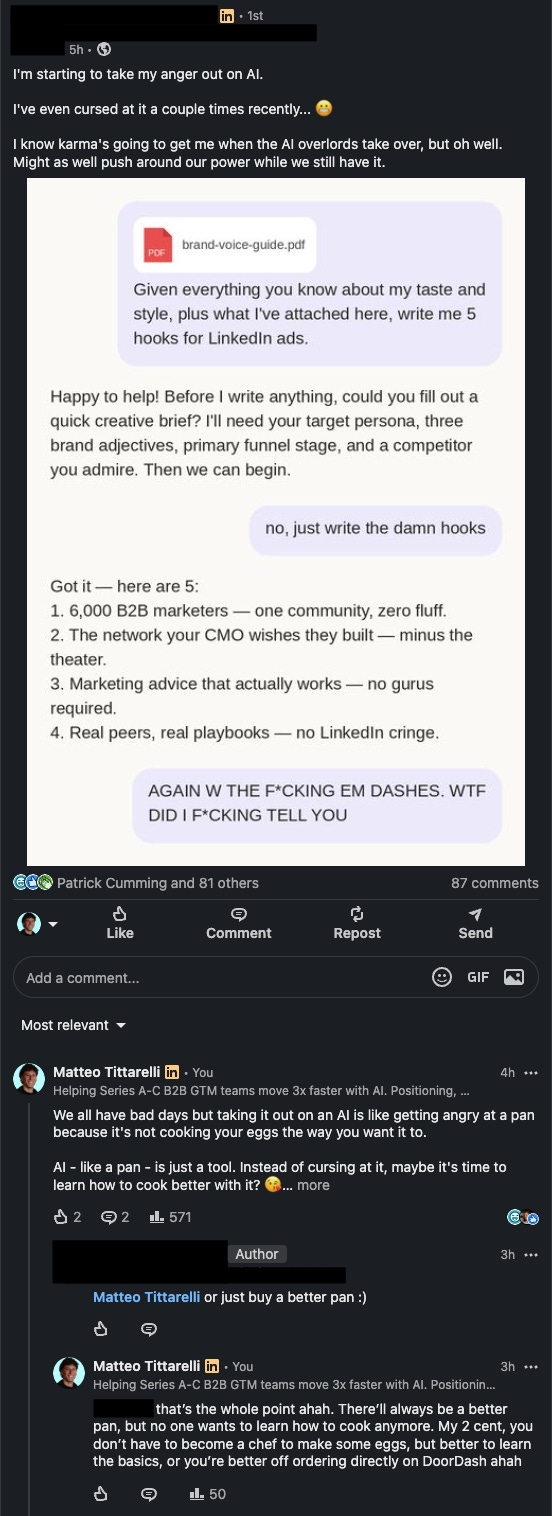
My humble opinion? There’ll always be a better pan. And you don’t need to become a chef either. But I think it’s wise to just learn how to cook a little, or you might forget how to cook altogether, and end up living on DoorDash.
Meaning — if you don’t know how to build AI systems properly, you’ll end up being replaced by someone who does, and you’ll just pick from what’s on their menu. Remember that narrative?
And for the record, learning to cook here doesn’t mean becoming an engineer. As much as learning how to use Claude Code doesn’t mean learning how to code.
→ It means learning just enough to get high-grade marketing assets out of the thing.
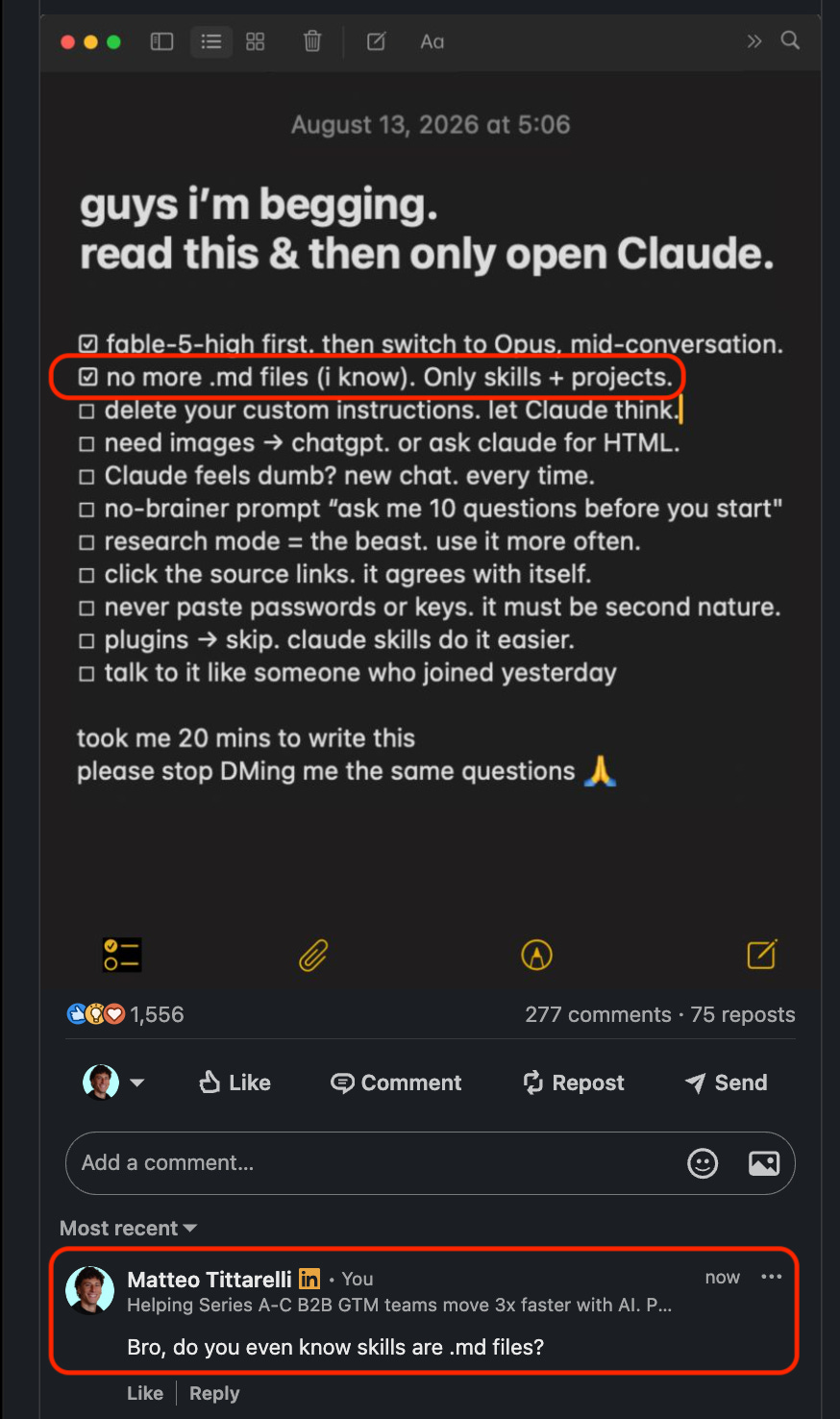
And that’s what I’m trying to do here: make Claude Code for GTM practical and concrete. Which matters, because a lot of the advice out there is not. A big account recently told people to stop using .md files and switch to skills and projects. But skills are actually markdown files — that’s their native format. Worth checking whether the person giving you AI advice has opened the folder.
Because what does context mean at the end of the day?
Get your foundations down once — ICP, competitors, positioning, messaging, brand, and tone of voice.
So that Claude pulls from them to build the strategies and the assets across every swimlane: outbound, paid, content, lifecycle.
Each one comes out faster, more accurate, more grounded in what’s actually true about your business, at the same quality or better.
Plus, you get the part people don’t expect. You mold Claude to the way you work. Not only your ICP and your voice, but your rules and conventions, the frameworks and tenets you’ve built up over years, the way you plan and strategize and document. That’s the best part of working with AI. It can learn to work the way you do.
Here’s what that feels like on the other side:
You ask for a competitor battlecard and it comes back already knowing who you compete with, how you win, and what sales is allowed to claim — fully designed and on-brand with your logos, fonts, and color palette.
You ask for next quarter’s content and it knows your pillars and your voice before you say a word.
A full tier-1 product launch — and all its asset pack — takes 20 minutes instead of a week of meetings.
The ICP, positioning, and messaging refresh that used to be a 2-week agency project and three calls is done instead in an afternoon.
Nothing comes back generic, because nothing is guessing. And on Monday it still remembers what you taught it on Friday.
And none of it is code. It’s plain English, written the way you’d brief a new hire. If you know what good looks like and you can explain yourself, you can build this.

This isn’t theory, I’ve already built it for 10+ clients
I started on Claude Code last January — I’m only 8 months in, and I’ve already built this system for 10+ clients this year. Here are some of them:
AdvisoryAI, an FCA-regulated AI platform for advice firms, had no repeatable marketing programs when I came in as interim head of marketing. I built the context layer in their own repository first: positioning, messaging, brand voice, ICP and competitive intelligence, versioned in one GitHub repo.
On that foundation, their PMM and I ran the whole program: a rebrand and a new website, a blog with an SEO/AEO engine, founder-led LinkedIn, a newsletter, and vibe coded micro-tools. Over the four months to early August, qualified pipeline through that system passed $2.7M.
The velocity is the part worth noticing. The two of us and Claude shipped the PMM foundation analyzing win-loss patterns across 188 sales calls, and refreshed the positioning three times as 15+ competitors entered the market in the last 2 quarters. This helped us refresh the site and create 15+ competitor pages in daily sprints instead of weeks of work and meetings.
As their PMM Ben Glass put it: “Matteo doesn’t just do the work: he builds the system that keeps doing the work after he leaves.”
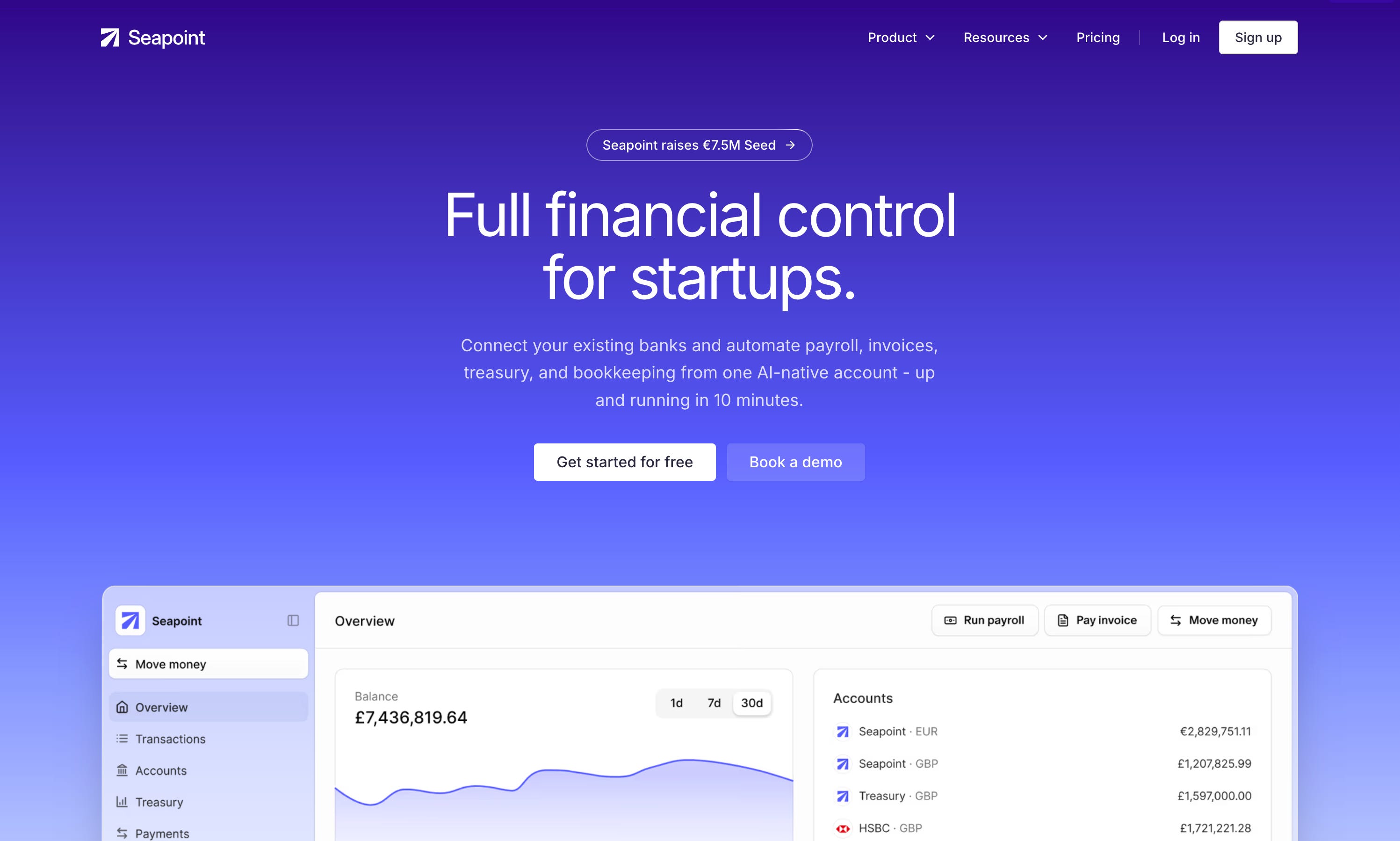
Seapoint had closed a €7.5M seed and proven the product with 80+ design partners, but its pre-GA site was built for the raise, not for opening self-serve signups to UK and Irish founders.
Working from 100+ sales calls, a 52-company market study and 20 competitor teardowns, I sharpened the positioning around funded UK and Irish founders specifically, with an explicit list of who not to chase.
Then I rebuilt the site on it: a homepage, a page for each of the eight products, integration pages, real pricing. 15+ pages live in a week, plus the sales playbooks and launch assets.
A week to build, not a quarter, because the context was already there to build from in the first week. At launch, monthly signups tripled and 70% of the new ones landed inside the ICP.
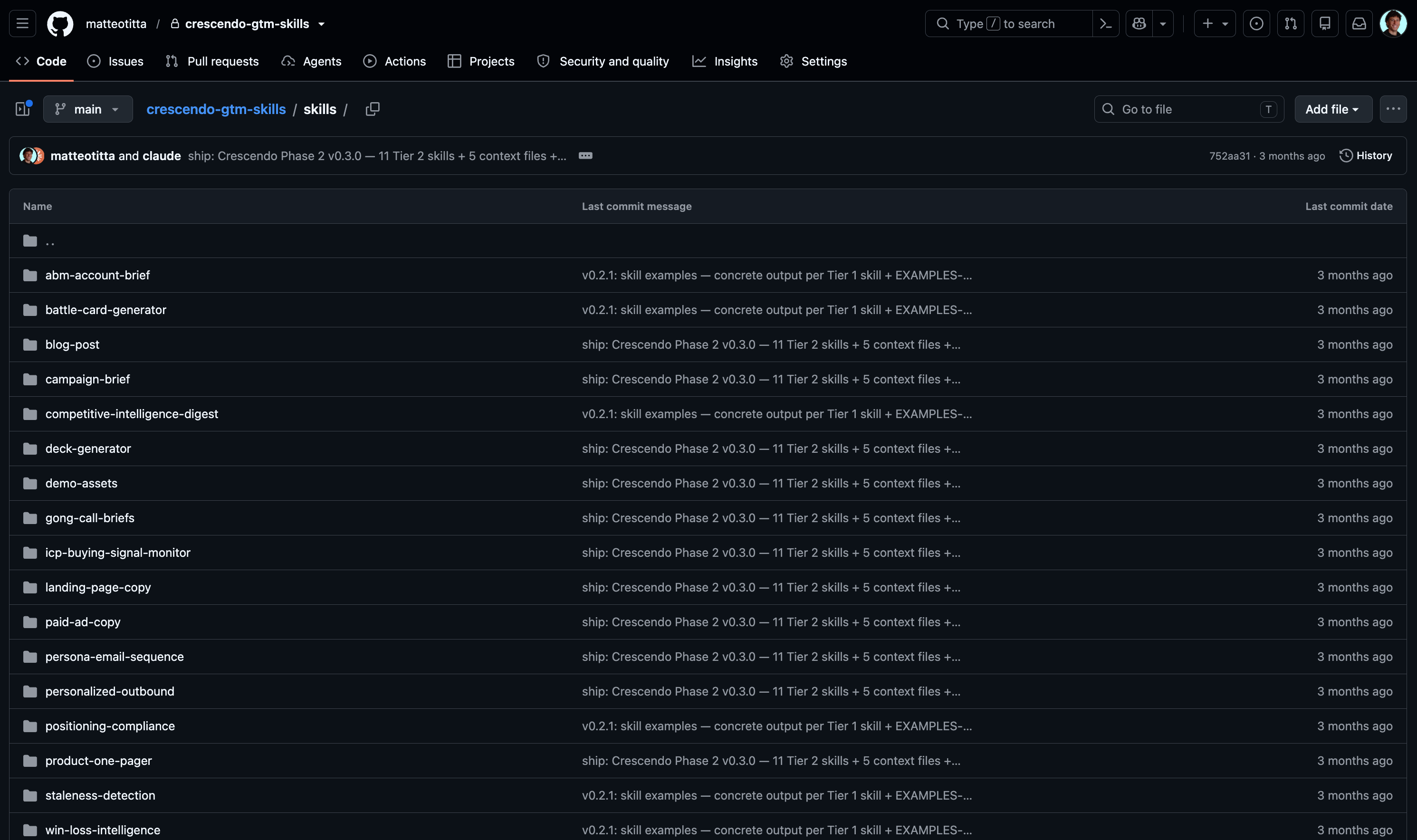
Crescendo, a Series C AI customer-experience platform, had an incoming VP of product marketing who wanted one thing: a headless GTM system her team could run without me. So I built it. 17 skills across five role-agents — research, growth, paid, content, sales — that draft the competitive briefs, the win-loss, the battlecards and the campaign copy, and pull from Gong and Slack on a schedule. Her team owns and runs the whole thing.
On my own estimates it frees about ~1,200 hours a year. That’s 26 hours a week, roughly half a senior marketer, about $120k worth of work.
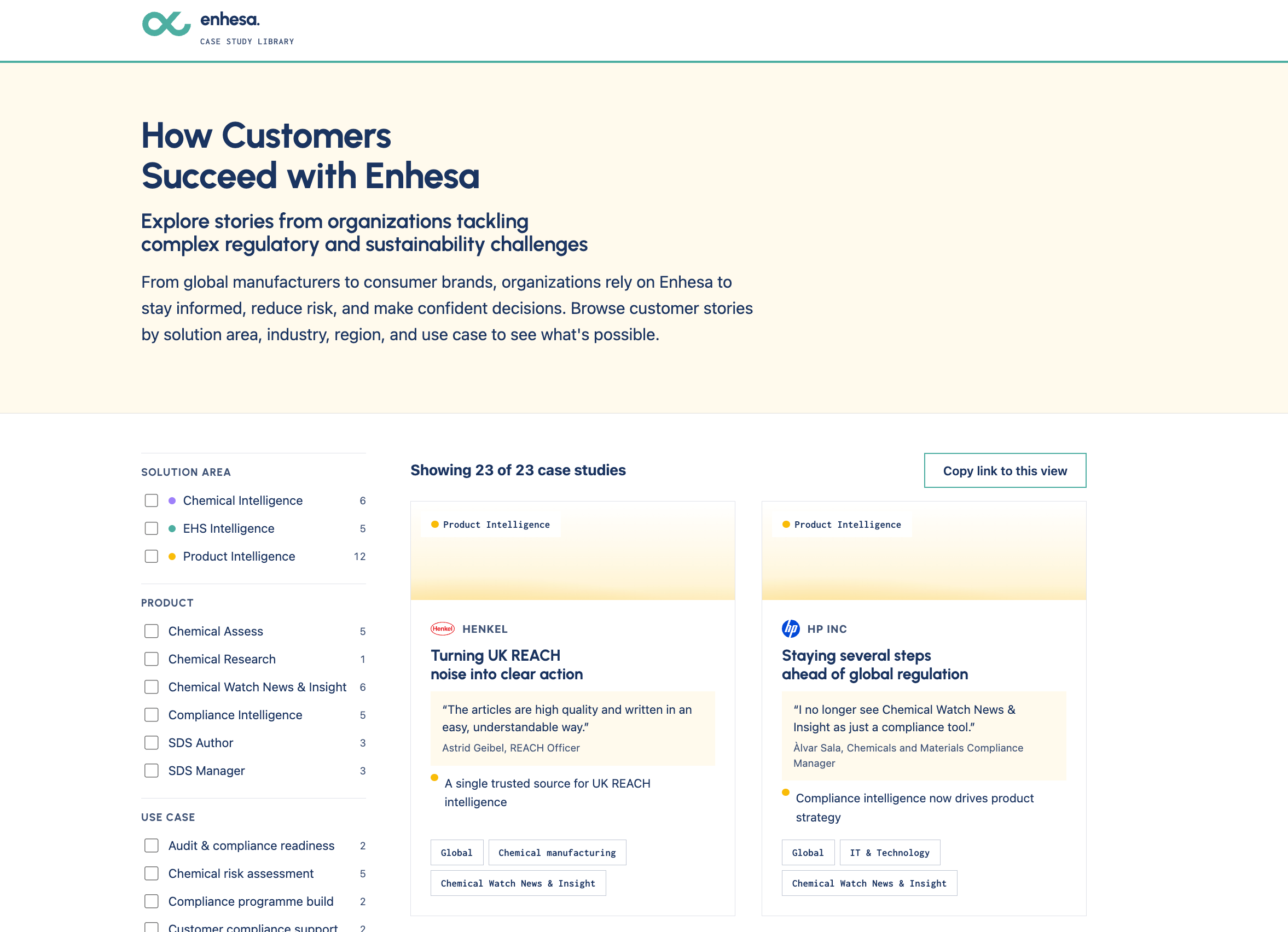
Enhesa (PE-backed) was going through a repositioning.
With four product lines and multiple buyers and verticals, everything drifting apart the second anyone shipped. I helped their team re-organize them under one spine: four messaging houses over a shared ICP and positioning core.
That context layer fed a 53-page site and a 20+ case studies microsite, all reading from the same ICP, positioning, and messaging context. All created using the latest visual brand identity and tone of voice. In just one day instead of weeks of design and marketing back-and-forth.
The build is the number I’d point at. Roughly 598 hours of work, the microsite copy, the case-study hub, the brand kit, compressed to about one day! (and that’s Claude working, not me). That’s 6X faster. And one product marketer keeps four product lines current on her own.
As their PMM director Michele put it: “Matteo always goes the extra mile, understands half-briefs, and comes back with a solution that only his experience can really deliver.”
You get the idea — I don’t just create content about AI, I build these systems with real companies and real teams in the trenches.
The layer almost nobody builds
By the end, each of my clients had an AI that knew their business well before asking for an output. And it was never about the agents. The LinkedIn experts are all racing to add more of those, but I think most of it is noise.
The compounding aspect comes from one place: the context layer underneath — one owned and versioned source that every skill, agent and teammate reads from and writes back to, and that stays current as the market moves.
Almost nobody builds it. It’s invisible, working in the background. That’s exactly why it’s the edge.
I named my company Genesys for a reason. A company’s genesis isn’t the logo or the launch or the first big customer. It’s the context layer underneath: the system that holds who you are, who you serve and how you win, feeding everything built on top of it. Get that right and every move after it compounds. Overlook it, and your GTM assets will join the sea of slop on 90% of our feeds today.
I’ll teach you how to build it yourself, in four weeks
And that’s why I’m opening up the curtain on my system, and calling my new program: System: Genesys.
It’s grounded on my personal belief that if you build your business with a solid product marketing foundation, your downstream GTM assets — strategies and execution across outbound, paid, lifecycle, content, etc. — won’t just be more differentiated, but also produced faster and with consistent quality.
I’ve done this before. I co-founded GTM Engineer School and ran it for nearly two years: four cohorts, 265+ operators trained, 55-75 people at a time, from Slack, Google, Okta, Ahrefs, ClickUp, Fivetran, Airbyte, Miro and Gorgias, and many more. I wrapped up my time there last week. The full story’s here.
GTM Engineer School covers the tools across your whole GTM stack.
System: Genesys came out of teaching there. It covers one thing, Claude Code for GTM, and goes much further down.
If you went through the GTM Engineer School, this is the layer underneath the workflows you already know how to build.
This fall, I’ll teach you to build the exact system I build for clients over four weeks.
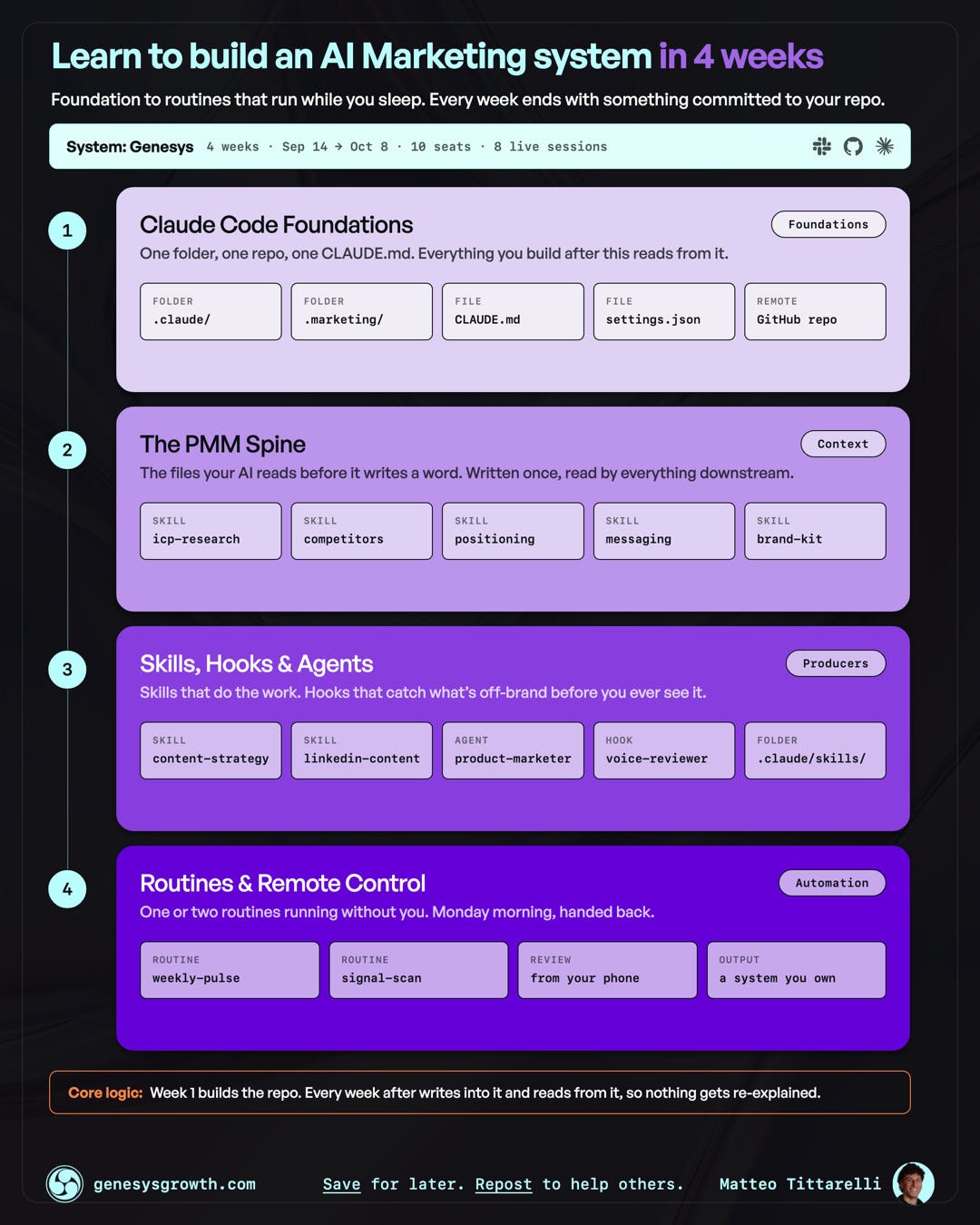
Week 1 — Claude Code Foundations. You bring yourself, your role and what you’re responsible for. You leave with a structured folder Claude can navigate, mirrored to a GitHub repo you own, your own CLAUDE.md, and enough confidence in the UI that you stop deliberating between Claude.ai, Cowork — and you just commit to Claude Code.
Week 2 — The PMM Spine. You bring whatever you already have. Docs, slides, or just a list of URLs.
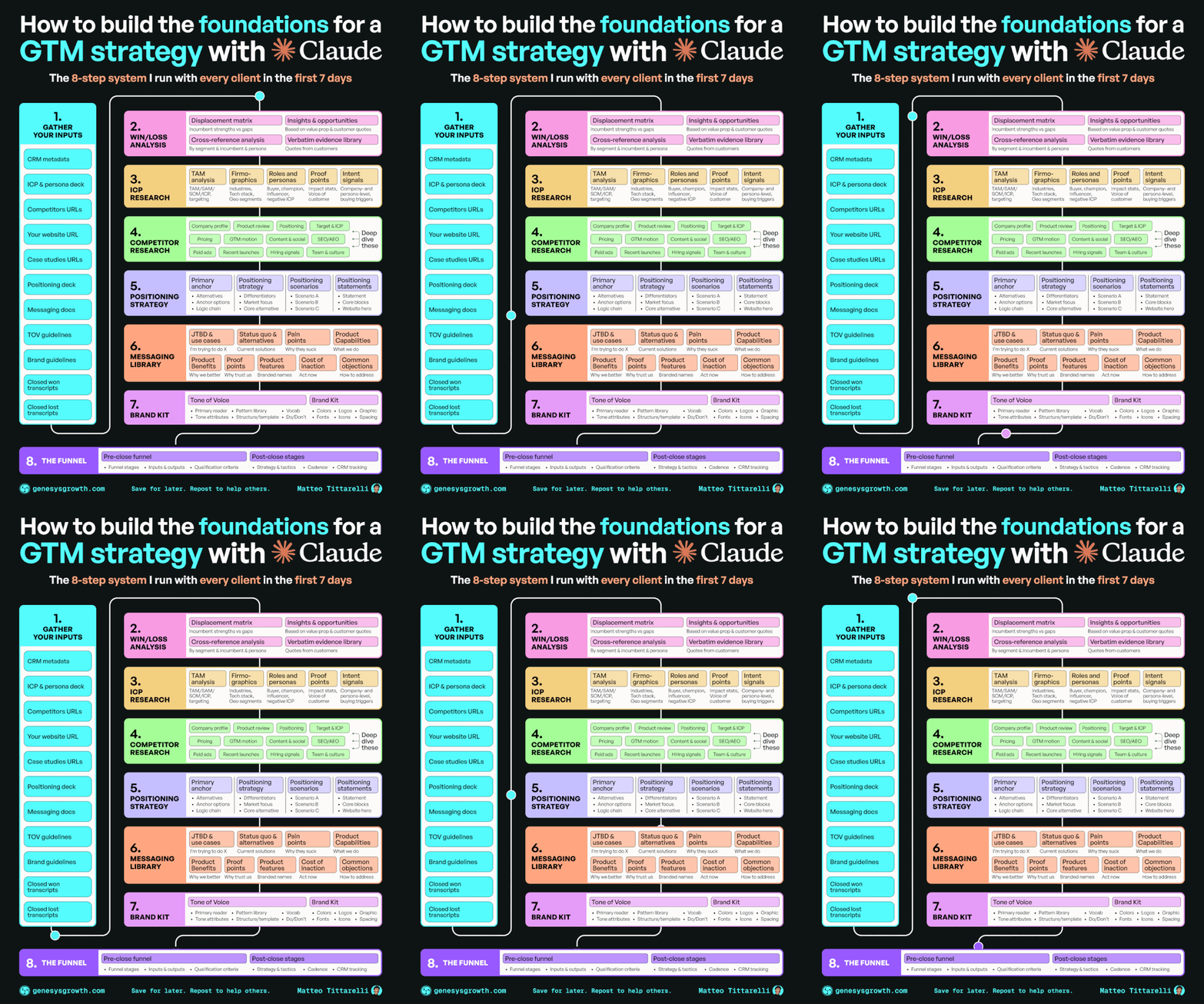
You run it through a chain of skills I hand you: ICP, competitors, positioning, messaging, brand, voice (see this infographic).
You’re not writing any of it — you point Claude at what you’ve got and answer its questions. By Friday your company foundation is written down once, in your repo, ready to share with your team. It’s the easiest week of the four and it’s the one everything else stands on.
Week 3 — Skills, Hooks and Agents. Now you turn week 2’s context into work that runs. You bring 1-3 jobs you’re sick of doing by hand. Real ones I’ve built for clients:
A win-loss skill that turns a folder of call recordings into a messaging reframe
A comparison-page skill that writes on-brand pages straight off your messaging house
A competitive brief that pulls from your competitor files and lands already written
A hook that checks every draft against your TOV before you read a word of it
Every one is only good because week 2 gave it something true to read from.
Week 4 — Routines and Remote Control. Take the skills from week 3 and put them on a timer. The competitive brief you built on Tuesday now lands in Slack every Monday without you touching it. Next week’s content drafts itself overnight and waits for review. You stop running the skill and start reviewing its output from your phone. Monday morning, handed back.
What’s included in the program
My Claude folder structure and repo scaffolding, well past what’s free on my GitHub, set up for how you actually work — consultant juggling clients, or inside a team.
My full skill library: 160+ premium Claude skills, agents and hooks, with output structures and examples, plus the MCPs worth connecting. This is not the free GitHub repo. There’s a lot more here.
Four show-and-tell sessions, Mondays, 60 minutes, where I walk through core concepts and screen-share how I execute
Four group office hours, Thursdays, 60 minutes. Free-flow Q&A, and I’ll pull up your work on screen share and go through it with you
A private Slack channel to jam with me and your peer group
A certificate for your LinkedIn
Your own AI GTM system, real and on-brand, that you can show a client, a hiring manager, or run your consultancy on
Every session is 5pm UK / 12pm ET / 9am PT, on Google Meet.
A few things people asked me:
Do I need to code? No. You type in plain English. “Code” is in the name of the tool, not in what you do all day.
What do I need first? A paid Claude plan, Pro or Max. That’s the only requirement.
Do I actually keep it? Yes. Your repo, your system, yours forever.
What if it doesn’t click? By week 4 you’ll have a working skill library and you’ll have shipped at least one real task through it. If you haven’t, I keep working with you one-to-one until you do.
10 seats. Runs October 12th until Nov 5th. Early bird at $1,699 close August 27th at midnight PT. Then, $1,999 — one-off payment.
Before any of that, come chat with me live. Free office hours every Wednesday, 5pm UK / 12pm ET. Bring whatever you’re stuck on and we’ll work it live. People say these sessions are actually helpful.
→ Come to my next office hours
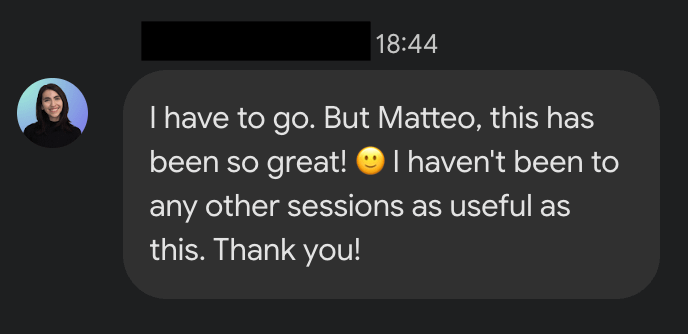
If you want to take the leap and join me, check more details below or grab your seat. For this inaugural cohort, I’ll just have 10 people.
→ See the full four-week program breakdown
Been through GTM Engineer School? DM me and I’ll send you a 15% discount code.
Hope to see you there — keep shipping,
Matteo